
 By oasisftc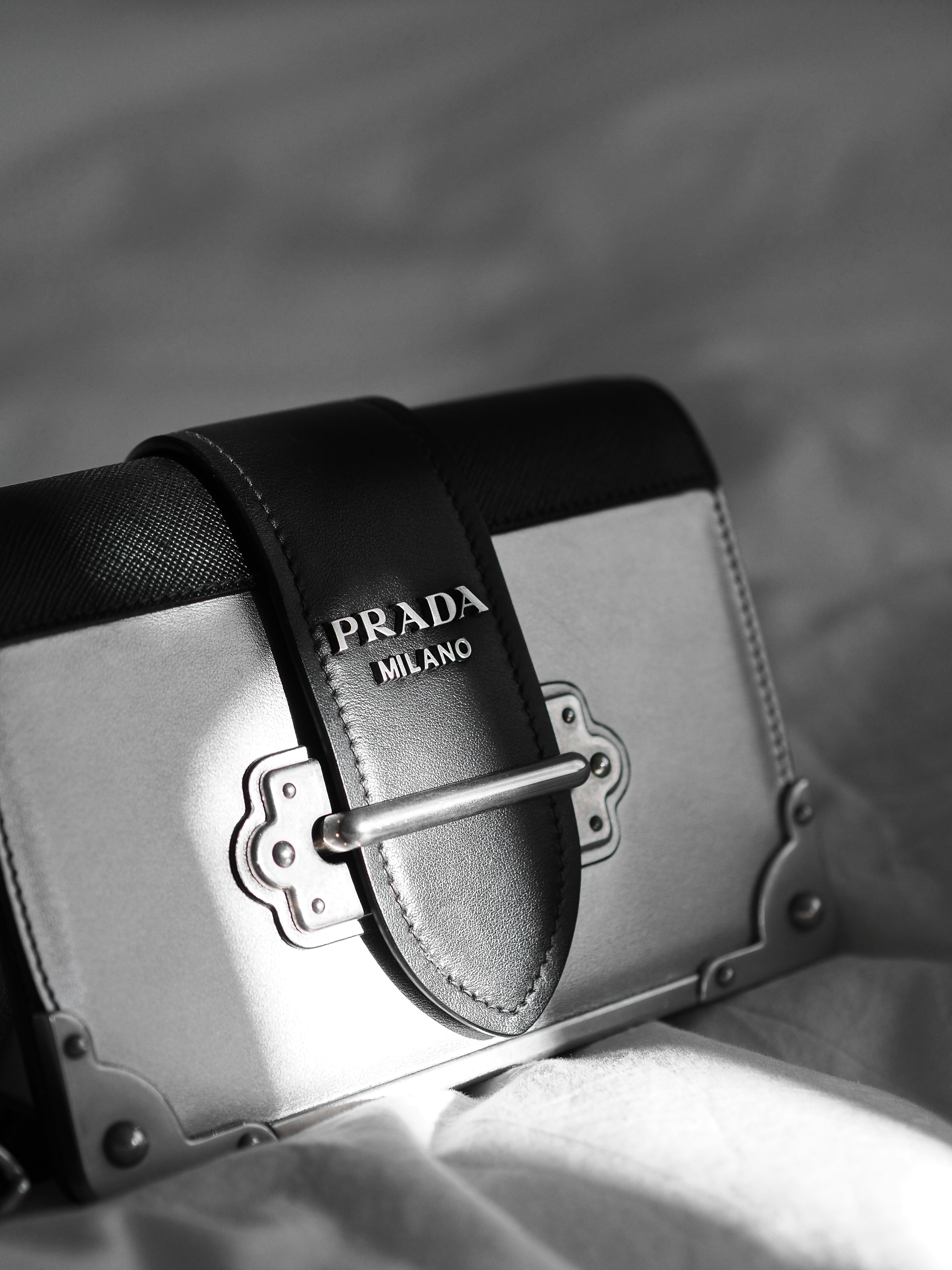
The Italian Roots of Prada
Prada was established in 1913 by Mario Prada in Milan, Italy. As a brand deeply rooted in Italian heritage, it has grown to become synonymous with luxury and sophistication. Initially, the company was founded as a leather goods shop, selling high-quality luggage and accessories. Over the decades, Prada’s commitment to exquisite craftsmanship and innovative design set it apart in the competitive fashion industry.
The evolution of Prada is marked by strategic decisions that have defined its identity. In the 1970s, Mario’s granddaughter, Miuccia Prada, took the helm and shifted the brand’s focus toward ready-to-wear collections, blending traditional Italian artisanship with contemporary aesthetics. Under her guidance, Prada started to embrace avant-garde looks, capturing the attention of high-fashion enthusiasts around the world. This pivotal moment in the brand’s history not only transformed Prada into a global fashion powerhouse but also solidified its status as a symbol of Italian luxury.
Contrary to the common misconception that Prada is a French brand, its true essence lies in its Italian roots. Italy, known for its rich artistic history and dedication to quality, has been instrumental in shaping Prada’s ethos. The meticulous attention to detail and use of premium materials in their products signify the brand’s commitment to Italian craftsmanship. As a result, Prada stands as a hallmark of elegance, blending traditional manufacturing techniques with modern design philosophies.
Today, Prada continues to be not only a leader in the fashion world but also an influential trendsetter in luxury markets. Its legacy reflects a fusion of history, innovation, and Italian style, making it a quintessential representation of high-end fashion that resonates with consumers worldwide.
Where is Prada Produced? Understanding Manufacturing Locations
Prada, a luxury fashion house renowned for its exquisite craftsmanship and sophisticated designs, primarily manufactures its products in Italy. The brand’s commitment to quality is evident in its long-standing association with Italian artisans, who are celebrated for their meticulous attention to detail and mastery of traditional techniques. Each product, from leather handbags to ready-to-wear collections, benefits from this heritage, ensuring that the hallmark of Italian craftsmanship is embedded in each piece.
While the majority of Prada’s offerings are crafted in Italy, the brand has occasionally expanded its manufacturing operations to other locations, including Turkey. This geographic diversification allows Prada to respond to market demands while maintaining high standards of quality control. However, it is important to note that products made in Turkey are not necessarily indicative of inferior quality; many luxury brands have embraced diverse manufacturing practices to enhance efficiency and reach. This approach ensures that global consumers can access Prada products while still enjoying the signature design ethos distinctive to the brand.
The implications of these manufacturing locations extend beyond quality and craftsmanship – they also influence product authenticity and pricing. Authenticity plays a vital role in maintaining the value associated with luxury goods; thus, consumers often place a premium on items produced in Italy. In contrast, items manufactured in Turkey can be positioned at varying price points, which may affect consumer perception. As Prada continues to navigate the challenges of a globalized market, its dedication to quality remains central, regardless of whether products are produced in Italy or elsewhere, preserving the brand’s esteemed reputation.
Is Prada Cheaper in Italy? A Price Comparison Analysis
The allure of shopping for luxury brands like Prada is heightened by the prospect of securing items at more favorable prices in their country of origin, Italy. To determine whether Prada products are indeed cheaper in Italy compared to other countries, a thorough analysis of various pricing dynamics is essential. Several factors contribute to the overall cost of Prada items, including local taxes, import duties, and fluctuating currency exchange rates.
In Italy, consumers benefit from the absence of additional import duties that international buyers often incur when purchasing luxury goods. The standard VAT (Value Added Tax) in Italy is around 22%, which, while significant, can offer a more straightforward pricing structure for those residing in the European Union. Conversely, when items are purchased outside the EU, additional costs may arise from import taxes, which can substantially increase the final price. For tourists, many retailers offer tax-free shopping programs, allowing eligible purchases to be refunded upon leaving the country, further enhancing the appeal of buying Prada in Italy.
Currency fluctuations also play a crucial role in price differences across markets. The euro’s exchange rate against other currencies can influence the final retail price for international buyers. When the euro is weak, it may provide an advantageous exchange for those paying in currencies such as the US dollar or British pound, making high-end products like Prada more accessible. Conversely, a robust euro could negate potential savings, prompting shoppers to consider purchasing Prada items from locations with more favorable exchange rates.
It is imperative for potential buyers to conduct thorough research and comparison of prices in various markets. By considering the factors outlined, including taxes, duties, and exchange rates, consumers can make informed decisions about whether shopping for Prada in Italy translates to real savings compared to purchasing from other countries.
The Best Smelling Prada Perfumes: An Olfactory Journey
Prada, a brand synonymous with luxury and elegance, has an impressive range of perfumes that continue to captivate fragrance enthusiasts around the world. Among its offerings, several standout fragrances exhibit unique scent profiles, making them ideal for a variety of occasions and preferences. Each perfume presents a distinctive olfactory journey that reflects the essence of the Prada brand.
One of the most celebrated perfumes is Prada Candy, which evokes a sense of youthful exuberance through its rich and playful notes. This fragrance opens with a vibrant burst of caramel that seamlessly transitions into a heart of musk and benzoin, creating a warm and inviting aroma. Ideal for casual outings and daytime wear, Prada Candy’s sweet and gourmand nature has garnered a dedicated following.
For those seeking a more sophisticated scent, Prada Infusion d’Iris emerges as a perfect choice. This fragrance is characterized by its powdery iris notes complemented by hints of mandarin and cedarwood. It provides a fresh, clean, and elegant profile that is equally suited for professional settings or evening engagements. The blend of floral and woody elements offers a sense of balance, embodying the refinement iconic to Prada.
Additionally, Prada L’Homme stands out as a modern classic. With its rich composition of iris, amber, and patchouli, this fragrance reflects a contemporary masculinity that is both inviting and assertive. It works well for formal events or important gatherings, leaving a lasting impression. The ability of L’Homme’s notes to evolve over time adds depth to its character, making it a versatile choice for everyday and special occasions alike.
Selecting the perfect Prada perfume can be a delightful journey, considering each fragrance’s uniqueness. Whether one favors sweet, floral, or woody notes, Prada’s diverse options ensure that there is a suitable scent for everyone. Ultimately, understanding the alluring qualities of each perfume will aid enthusiasts in discovering their signature scent that resonates with their personal style.