
 By oasisftc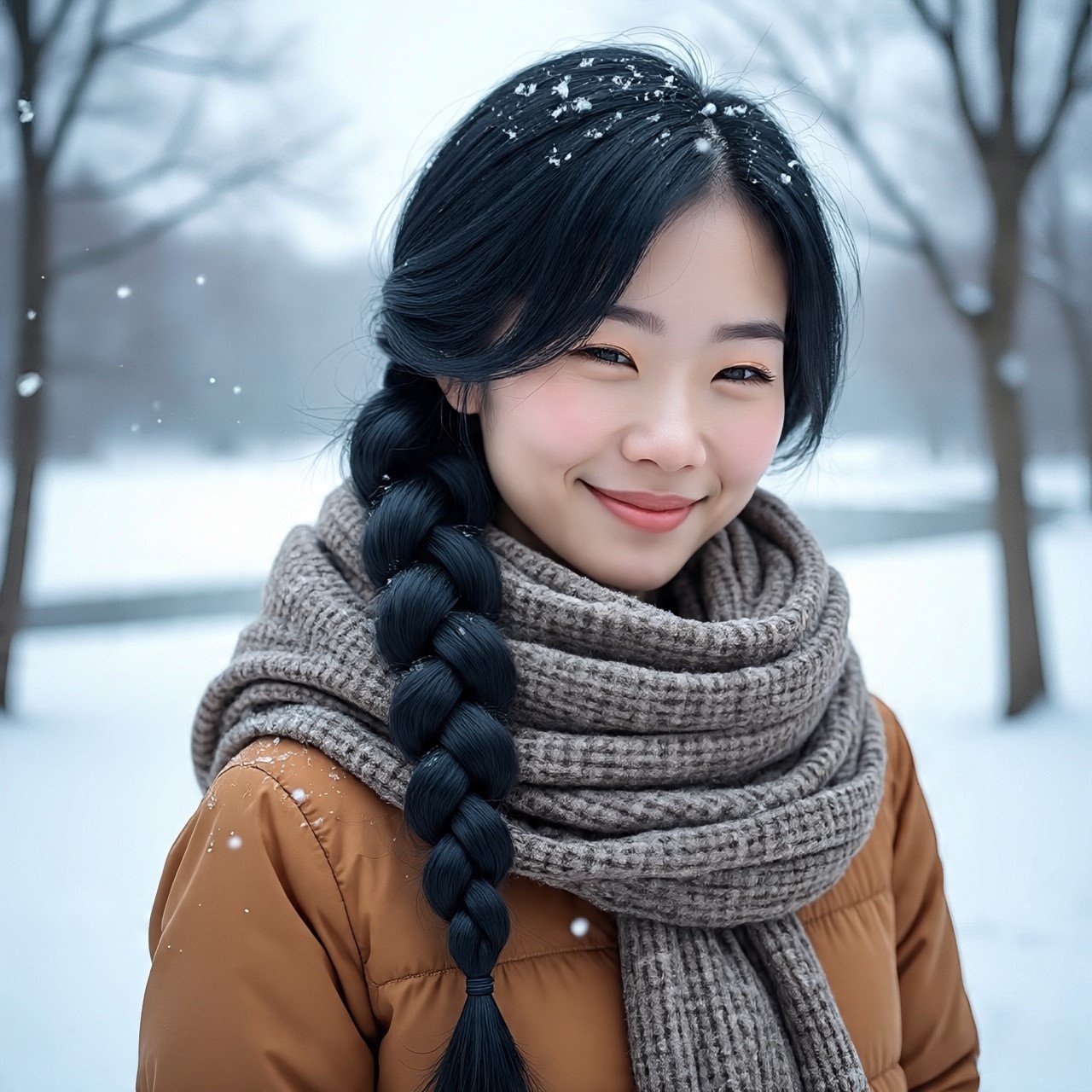
Why Braids are Perfect for Winter
Winter months often bring about a host of challenges for those with black hair, primarily due to the harsh weather conditions. Braids have emerged as an ideal protective style during this season, offering a myriad of benefits that cater specifically to the needs of textured hair. Firstly, braiding the hair provides a formidable shield against cold air, wind, and environmental aggressors. This protection helps to minimize moisture loss, keeping the hair’s natural hydration intact and reducing the risk of dry, brittle strands that are prone to breakage during the cold season.
Moreover, wearing braids can significantly lower the instances of hair breakage, a common problem in colder months. Unlike loose hair, which can easily become tangled and damaged due to friction with scarves, hats, and even clothing, braids are securely woven, thereby eliminating this concern. This protective style allows hair to rest, minimizing manipulation and thus promoting growth and overall health.
Another significant advantage of braids is their practicality. Not only do they keep hair neatly secured and out of the way, but they also provide a versatile canvas for fashionable winter looks. From simple two-strand twists to intricate box braids, the possibilities are endless for creating stylish expressions while ensuring your hair remains protected. To achieve optimal results, it is essential to prepare your hair for braiding by moisturizing and sealing the ends to create a hydrated foundation. Incorporating light oils or creams before braiding can serve to lock in moisture and create a healthy environment throughout the winter months.
Ultimately, embracing braids in winter is a decision that aligns both with practicality and style, making them a perfect choice for maintaining the beauty and health of black hair during the colder season.
Step-by-Step Guide to a 3 Strand Braid
Creating a classic three-strand braid is an essential skill for individuals with black hair, as it serves as a foundation for numerous stunning styles. This versatile technique can be tailored to suit different hair types and lengths, making it an indispensable addition to any hair care repertoire. The process begins with proper preparation, followed by dividing the hair into manageable sections, and executing the braid itself.
To begin, ensure the hair is clean and slightly damp, as this can make it easier to work with. Applying a leave-in conditioner or light styling cream can provide additional moisture and help prevent breakage. Next, detangle the hair using a wide-tooth comb or fingers, progressing from the tips to the roots to minimize tension. Once the hair is smooth, gather it into a low ponytail to keep stray strands at bay, allowing for easier sectioning.
Now, divide the hair into three equal strands. Hold two strands in your right hand and one in your left. Begin the braiding process by crossing the right strand over the middle strand. This action shifts the right strand to the center. Following that, take the left strand and cross it over the new middle strand. Continue this alternation until you reach the desired length or the end of the hair. For a neat and durable braid, it may be beneficial to pull each section of hair tightly but not excessively during the braiding process.
For added flair, consider incorporating variations such as adding hair extensions or using different textures to create a unique look. You can also try adjusting the size of the strands for a more chunky braid or a sleek appearance. Ultimately, mastering the three-strand braid can open the door to countless fashionable winter braid hairstyles that celebrate the beauty and versatility of black hair.
Understanding Fulani Braids
Fulani braids are a visually striking and culturally significant hairstyle that originates from the Fulani people of West Africa. Renowned for their intricate design and symbolism, Fulani braids are distinguished by their cornrow base, typically styled in a variety of patterns, with long, hanging braids cascading freely. The hair is often adorned with decorative elements such as beads, cuffs, and even cowrie shells, which not only enhance the aesthetic appeal but also signify personal and cultural stories.
The characteristics of Fulani braids are deeply rooted in the cultural identity of the Fulani people. Traditionally, these braids serve as a means of communal expression, conveying various messages related to tribe, status, and even age. Women often sport Fulani braids during celebrations or significant events, emphasizing the intertwining of beauty and tradition. The style reflects an enduring legacy, commonly passed from generation to generation, contributing to the preservation of cultural heritage.
To achieve Fulani braids, starting with clean, detangled hair is crucial. The hair is usually sectioned to create neat cornrows that serve as the base. Once the cornrows are complete, additional braids can be added to achieve the desired length and volume. Incorporating beads and cuffs can further personalize the style. For those considering this hairstyle, it is essential to note that proper maintenance is key. Regular moisturizing and minimizing tension on the scalp will ensure the longevity of the braids and prevent damage to the hair.
In conclusion, Fulani braids are more than just a hairstyle; they are a vibrant expression of cultural significance and identity. Their unique characteristics, along with the meticulous care required to maintain them, make Fulani braids a cherished and enduring choice among many. Through understanding and embracing this traditional hairstyle, one can appreciate its historical context and the artistry involved in its creation.
Exploring the Viking Braid Style
The Viking braid, inspired by the hairstyles of Norse warriors, has gained popularity for its striking appearance and versatility, making it an attractive option for Black hair during the winter months. This intricate style typically involves multiple small braids woven into larger sections, creating a textured and visually dynamic look. The interwoven nature of the Viking braid adds depth and complexity, making it stand out in any setting, whether casual or more formal.
Creating a basic Viking braid begins by sectioning the hair into smaller, manageable parts. It is advisable to use a styling cream or gel to ensure smoothness and manageability, particularly with coarser textures. Once the hair is prepped, start with individual sections, braiding them into smaller, traditional three-strand braids. The next step involves taking these smaller braids and combining them into a larger braid, which can be either a single down-the-back style or a more intricate updo. This layering technique allows for a rugged yet elegant appearance, characteristic of the Viking aesthetic.
When considering hair textures, the Viking braid is quite adaptable. While it works exceptionally well with natural Black hair due to its volume and texture, it can also be achieved on varied hair types with the right products and tools. For added versatility, the Viking braid can be accessorized with beads, ribbons, or even metal cuffs that enhance its bold, warrior-like essence.
Incorporating the Viking braid into winter fashion can be effortlessly achieved; its fantastic ability to keep hair secure and in place makes it suitable for any winter activity. Pairing this braid with hats, scarves, or other winter attire not only retains its elegance but also elevates one’s overall look. The Viking braid truly serves as a remarkable stylistic statement amidst the cold weather, combining history with contemporary fashion.