
 By oasisftc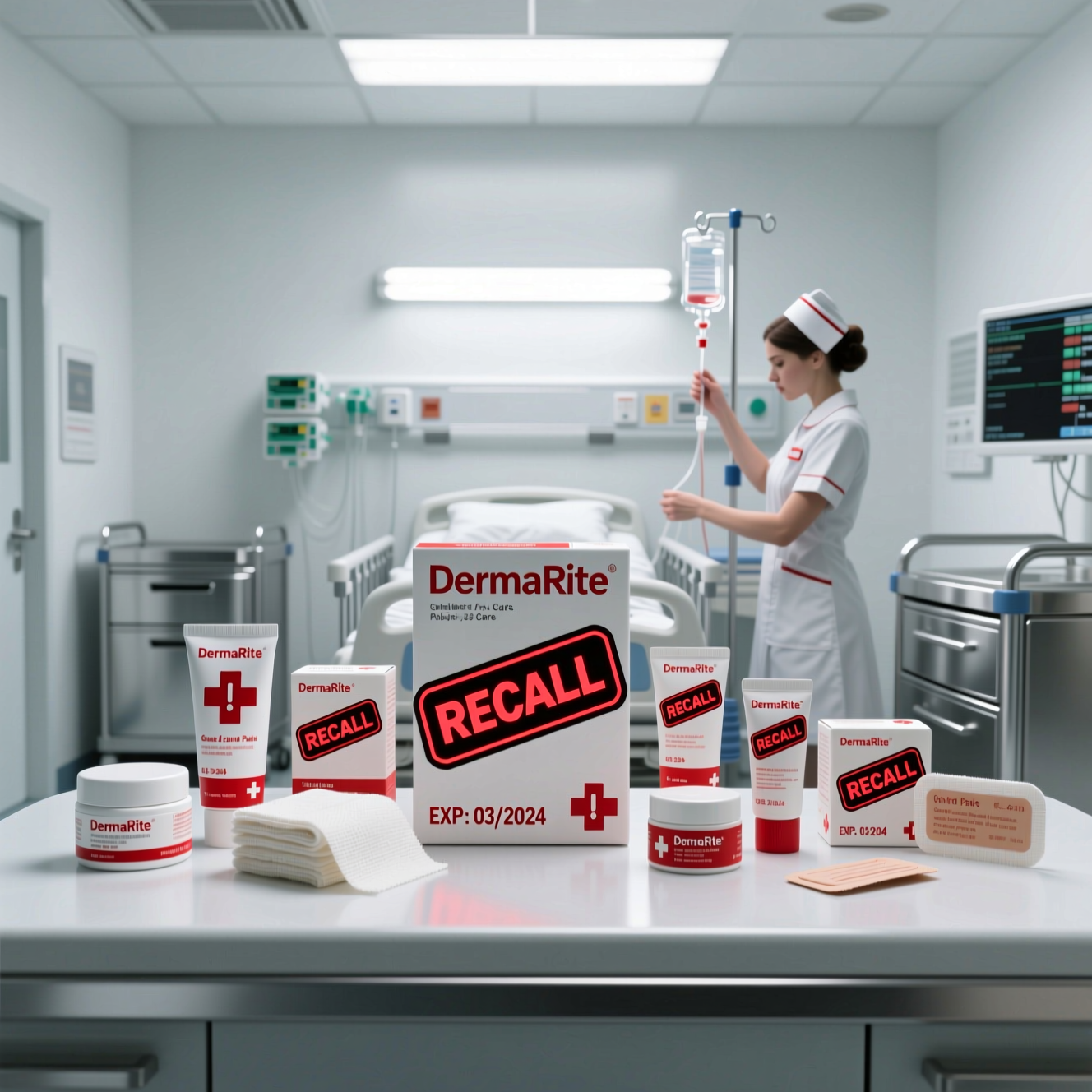
Executive Summary: The DermaRite Product Recall of 2025 and Public Health Advisory
DermaRite Industries, LLC, a manufacturer specializing in skin and wound care products for healthcare facilities, initiated a nationwide voluntary recall that began in mid-2025 and was subsequently expanded to include a broad range of personal care items.1 The recall was prompted by the potential for microbial contamination with
Burkholderia cepacia complex, a group of bacteria that poses a significant health risk, especially to vulnerable populations.1 This report provides a detailed analysis of the recall, its public health implications, and a comprehensive list of the affected products.
The recall is a matter of critical public health concern, particularly because DermaRite products are often used on immunocompromised individuals and patients in institutional settings.2 For this population, exposure to the contaminated products can lead to serious, life-threatening infections, including sepsis.1 For healthy individuals, the risk is typically limited to localized skin infections.1
Immediate action is advised for all individuals and facilities in possession of the affected products. It is imperative to discontinue use and, following the company’s instructions, destroy or return the recalled items.2 This report serves as a definitive resource to help consumers, caregivers, and healthcare professionals understand the scope of the recall, identify affected products, and take the necessary steps to ensure safety.
Section 1: The DermaRite Recall of 2025: A Detailed Investigation
1.1. Timeline of the Voluntary Recall
The voluntary recall by DermaRite Industries unfolded in two key phases, beginning with an initial action and followed by a significant expansion. The first recall was launched on July 16, 2025, addressing a limited number of specific products and lots.1 This initial measure was taken in response to the discovery of contamination with
Burkholderia cepacia complex bacteria. The recall was aimed at preventing potential infections in users.1
Subsequently, the scope of the recall was dramatically expanded in August 2025, as a deeper investigation uncovered that a wider range of products and lots were potentially affected.1 The official FDA publication of this expanded recall was dated August 9, 2025, with a subsequent company announcement on August 27, 2025.1 This transition from recalling specific lot numbers to encompassing all products with an expiration date on or before August 2027 suggests that the contamination was not an isolated incident but a more widespread issue affecting production over a significant period.1 The evolving nature of the recall underscores a potential systemic quality control issue that required a more sweeping corrective action to protect public health.
1.2. The Microbial Threat: Burkholderia Cepacia Complex Contamination
The core reason for the recall is the potential for contamination by Burkholderia cepacia complex (Bcc).1 The Centers for Disease Control and Prevention (CDC) classifies Bcc as a group of bacteria commonly found in soil and water.2 The bacteria can spread through contact with contaminated water, soil, surfaces, or medical equipment, as well as through person-to-person transmission.2 A particularly concerning characteristic of Bcc is its resistance to many common antibiotics, which makes infections caused by this organism difficult to treat.2
The severity of the health risks associated with this contamination is directly linked to the intended use of DermaRite’s products. The company primarily serves healthcare facilities, where its products are used for advanced wound care and skin protection for patients who are often immunocompromised, hospitalized, or dealing with chronic illnesses.2 For these highly vulnerable individuals, exposure to
Burkholderia cepacia can result in a severe and life-threatening systemic infection, potentially leading to sepsis.1 While healthy individuals with minor skin abrasions may only experience localized infections, the primary risk is to a population that is already medically fragile.2 This context elevates the recall from a simple consumer product issue to a serious matter of patient safety within the clinical and home care environments.
1.3. Comprehensive List of Recalled Products
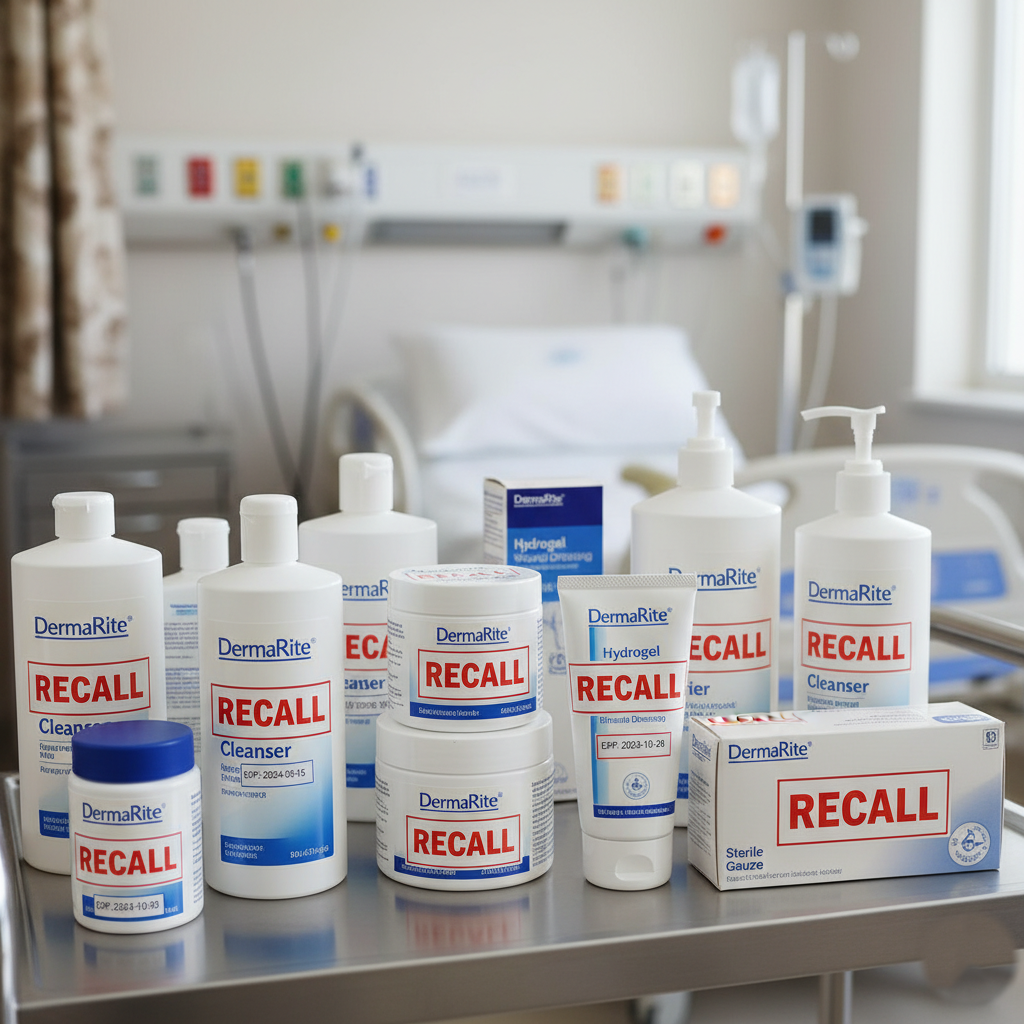
The expanded voluntary recall encompasses a broad range of products, with the company instructing that all lots with an expiration date on or before August 2027 are affected.1 The following comprehensive table has been compiled to provide a clear and definitive list of the recalled items, consolidating information from various official notices.1
Table 1: DermaRite Expanded Voluntary Recall – Affected Products (All Lots with Expiry Date on or before 08/2027)
| Product Name | Product Type / Description | Item No. / Reorder # |
| 3-N-1 | Rinse-free body wash, shampoo, and perineal cleanser | 00190 |
| 4-N-1 | No-rinse wash cream | 00208 |
| Clean-N-Free | Rinse-free body wash, shampoo, and perineal cleanser | 00193 |
| DermaCerin | Skin protectant moisturizing cream | 00176, 00174 |
| DermaDaily | Moisturizing lotion | 00124, 00128, 00122BB |
| DermaFungal | OTC antifungal cream | 00234, 00233 |
| DermaKleen | OTC healthcare antiseptic lotion soap | 0092BB, 0098, 0090BB |
| DermaKlenz | Mild, non-irritating wound cleanser | 00249, 00243 |
| DermaMed | OTC skin protectant ointment | 00214 |
| DermaRain | Extra mild body wash and shampoo | 0060, 0056, 0049BB |
| DermaSarra | OTC external analgesic | 00188 |
| DermaSyn | Hydrogel wound dressing | 00247 |
| DermaVantage | Moisturizing lotion | 00142, 00148, 00149BB |
| DermaVera | Full body cleanser | 0013BB, 0014BB, 0012, 0016, 0017 |
| Gel Rite | OTC instant gel hand sanitizer | 00110BB, 00106, 00104, 00100BB |
| Hand E Foam | OTC foaming hand sanitizer | 00109F, 00108 |
| KleenFoam | OTC antimicrobial foam soap | 0093F |
| Lantiseptic | OTC skin protectants (Daily Care, Dry Skin Therapy) | LS0710, LS0410, LS0404, LS0310, LS0311, LS0305, LS0308, LS0304 |
| LubriSilk | Lotion | 00166P |
| McKesson | Skin protectants | LS4615, LS4613 |
| PeriFresh | Mild cleanser spray | 00199, 00196 |
| PeriGiene | OTC antiseptic cleanser | 00198 |
| PeriGuard | OTC skin protectant | 00204, 00205, 00200 |
| Renew | Shampoo/body wash, skin protectants, foaming cleanser, repair cream | 00425, 00411, 00420, 00435, 00410, 00405, 00400, 00407BB |
| San-E-Foam | Foaming hand sanitizer | 00107F |
| TotalBath | Head-to-toe bodywash and shampoo | 0025BB, 0028, 0020BB, 0031 |
| TotalFoam | Mildly formulated bodywash & shampoo | 0026F |
| UltraSure | OTC anti-perspirant & deodorant | 00266 |
| WhirlBath | Head-to-toe body wash and shampoo | 00225 |
This table serves as the primary tool for identifying whether a product is affected by the recall. It is important to note that many of these brands, such as DermaCerin and DermaVantage, are part of DermaRite’s general product portfolio.8 The presence of these product names on the recall list highlights the fact that the issue is not with the product lines as a whole, but rather with specific batches. Therefore, a careful check of expiration dates and item numbers is crucial to avoid any misidentification of safe products.
Section 2: Public Health and Safety Analysis
2.1. The Unique Risk to Immunocompromised Individuals
The presence of Burkholderia cepacia complex (Bcc) in these topical products presents a distinct and serious danger to certain populations. While the company has stated that no reports of adverse events have been received so far, the potential for harm remains significant.4 As a pathogen, Bcc poses little risk to healthy individuals.4 However, if applied to minor cuts or skin lesions, it may cause a localized infection.1 The real threat exists for individuals with compromised immune systems, such as those in hospitals, long-term care facilities, or those with underlying chronic illnesses like cystic fibrosis.2 In this vulnerable group, Bcc can enter the bloodstream and cause a severe, systemic infection, which can rapidly progress to life-threatening sepsis.3 This is why the FDA and DermaRite have issued such a comprehensive and urgent recall notice.1
2.2. Immediate Actionable Steps
In light of the potential health risks, the following steps are strongly recommended for anyone who has or has had access to the recalled products:
- Stop Use Immediately: The most critical first step is to immediately cease the use of any product identified in the recall notice.2 This applies to consumers, caregivers, and healthcare facilities.
- Examine Inventory: Thoroughly inspect all stocks of DermaRite products. Look for the product names, item numbers, and, most importantly, confirm that the expiration date is on or before August 2027.1
- Destroy or Return Products: DermaRite has instructed its distributors and customers to “immediately examine available inventory and destroy all affected products in accordance with each facility’s process”.1 Consumers may also be able to return products to the store of purchase for a refund.2
2.3. Symptom Recognition and Reporting
Individuals who may have been exposed to the contaminated products should be vigilant for any signs of infection. The symptoms to watch for include fever, fatigue, skin irritation or infection, and respiratory issues.2 If any of these symptoms appear after using a recalled product, it is paramount to contact a physician or healthcare provider immediately.2
Additionally, adverse reactions or quality problems can be reported directly to the FDA’s MedWatch Adverse Event Reporting program. Reports can be submitted online, by regular mail, or via fax, providing a critical channel for collecting data on potential health issues related to the recall.1
2.4. Official Contact Information
For any questions or concerns regarding the recall, official channels are available. Consumers can contact the company’s designated representatives or a third-party administrator for assistance.1
- DermaRite Industries, LLC: Mary Goldberg at 973-569-9000 x104 (Monday-Friday, 9:00 am – 5:00 pm EST) or via email at voluntary.action@dermarite.com.3
- Third-Party Administrator (Sedgwick): 888-943-5190 (Monday-Friday, 8:00 am – 5:00 pm EST) or via email at dermarite5186@sedgwick.com.1
Section 3: The Broader DermaRite Product Portfolio
3.1. Overview of DermaRite Industries
DermaRite Industries, LLC is a company that focuses on providing specialized skin and wound care supplies primarily for the healthcare market.7 Its products are distributed to home care services, long-term care facilities, and other clinical settings nationwide.1 The company’s catalog includes a wide range of products for advanced wound care and skin protection.7
3.2. A Glimpse into the Product Categories
DermaRite’s product portfolio extends far beyond the items affected by the recall. Their offerings are categorized to meet the diverse needs of their target audience. It is important to understand the full scope of their products to avoid confusion, especially since some product lines contain both recalled and non-recalled items.
- Skin Cleansers & Soaps: This category includes a variety of products designed for full-body cleaning. Examples include 3-N-1™ Cleansing Foam, a rinse-free body wash, shampoo, and peri-cleanser, and DermaVera™ Skin & Hair Cleanser.12 Other products like
TotalBath® and Renew™ Hair & Body Wash are also part of this line.12 The presence of
3-N-1 and DermaVera on the recall list necessitates that users carefully verify the specific lot and expiration date of any product they possess, even if the product name itself is part of a larger, active line.1 - Moisturizers, Lotions & Creams: The moisturizers category is extensive, featuring items like DermaCerin® Skin Protectant / Moisturizing Cream and DermaDaily® Moisturizing Lotion.8 Other products such as
Renew Skin Repair Cream and LubriSilk™ Dry Skin Care Lotion are also included in this portfolio.8 Similar to the cleansers,
DermaCerin and DermaDaily are also on the expanded recall list, reinforcing the need for users to cross-reference product specifics with the official recall table.1 - Wound Care: Beyond cleansers and moisturizers, DermaRite offers a comprehensive line of advanced wound care products. These include specialized dressings, such as ComfortFoam® and SilvaKollagen® Gel, as well as cleansers like DermaKlenz™ PLUS.7 The company also provides various compression systems and other supplies for managing complex wounds.13
Conclusion: The Mandate of Vigilance and Quality Control
The DermaRite recall of 2025 serves as a powerful reminder of the intricate link between product manufacturing, quality control, and public health, especially within the sensitive healthcare sector. The transition from a limited recall of specific lots to a sweeping, expanded notice covering all products within a multi-year expiration window suggests that the contamination by Burkholderia cepacia complex was not a singular event but a more widespread issue. This finding highlights the critical need for continuous and rigorous quality assurance protocols in the production of topical medications and personal care products.
For consumers and healthcare providers, the primary directive is clear and urgent. It is imperative to act immediately by identifying and discontinuing the use of all recalled products. The risk of life-threatening infections for immunocompromised individuals is a profound reason for adherence to these guidelines. This event underscores the responsibility of both manufacturers to maintain the highest standards of safety and for end-users to remain vigilant and responsive to official safety alerts and recall notices.