
 By oasisftc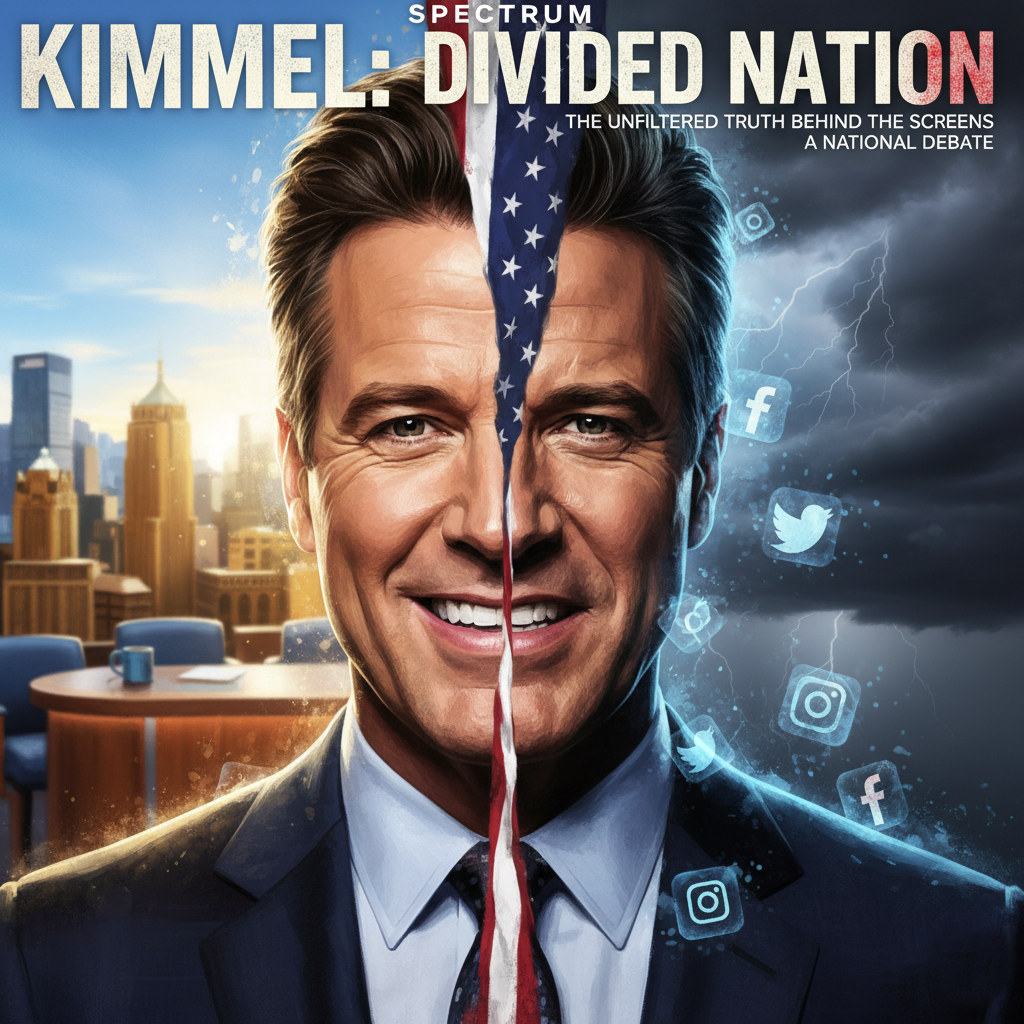
Background on Jimmy Kimmel and Charlie Kirk
Jimmy Kimmel is a prominent figure in the realm of late-night television, known for his engaging hosting style on “Jimmy Kimmel Live!” since its debut in 2003. Kimmel’s comedic approach often combines humor with pointed commentary on political and social issues, making him a significant voice in contemporary discourse. His ability to blend satire with serious topics has garnered a substantial following, and he is recognized for using his platform to address current events, from entertainment to pressing political matters. Kimmel’s style is characterized by a mix of irreverence and insight, allowing him to resonate with a broad audience while also critiquing various political viewpoints.
On the other side of the ideological spectrum is Charlie Kirk, a conservative commentator and the founder of Turning Point USA, an organization focused on educating and empowering young conservatives. Born in 1993, Kirk has rapidly gained prominence within the conservative movement, utilizing social media and public speaking to connect with younger demographics. His views often emphasize free-market principles, limited government, and a defense of traditional values, positioning him as a pivotal figure among modern conservatives. Kirk’s influence extends beyond mere commentary; he actively engages in political activism and has been instrumental in shaping the narratives that resonate with young voters, particularly on college campuses.
The contrasting backgrounds of Kimmel and Kirk contribute to the vibrant discourse surrounding contemporary American politics. While Kimmel’s comedic lens offers critical perspectives on conservative ideologies, Kirk champions a viewpoint that seeks to inspire and mobilize a new generation towards conservatism. Their differing approaches to commentary and influence reflect the broader cultural and political divisions present in today’s society, setting the stage for the contentious exchange that has recently garnered widespread attention.
The Comments That Sparked Controversy
Recently, Jimmy Kimmel made headlines with remarks concerning Charlie Kirk that incited considerable backlash. During an episode of his late-night show, Kimmel stated, “Charlie Kirk is the kind of guy who would argue with a stop sign.” This comment, delivered in a humorous tone, quickly garnered attention on social media and news outlets, igniting debates on the limits of comedic criticism in political discourse.
The context of Kimmel’s comments was rooted in his satirical examination of contemporary political figures and their rhetoric. Kimmel, known for blending humor with political commentary, aimed to highlight what he perceives as the absurdities in Kirk’s statements and actions, particularly those related to conservative ideologies. The timing of these comments also played a significant role; they coincided with a contentious national conversation regarding freedom of speech and the responsibility that comes with it, especially among public figures.
Immediate reactions from the audience were polarized. Supporters of Kimmel appreciated the comedic relief from the intense political climate, viewing Kimmel’s remarks as a necessary critique of Kirk’s often controversial viewpoints. Conversely, detractors condemned Kimmel for what they interpreted as a disrespectful jab aimed at a public figure, arguing that the line between comedy and personal attacks had been crossed. This dynamic reflects the deeper societal tension surrounding political discourse in comedy, where jokes can both unite and divide audiences.
As discussions surrounding Kimmel’s comments unfold, they highlight the ongoing debate about the role of humor in political commentary. This situation serves as a reminder of the delicate balance comedians must navigate between entertaining their audience while sparking critical conversations about societal issues.
Reactions from the Public and Media
Following Jimmy Kimmel’s controversial comments regarding Charlie Kirk, reactions from the public and various media outlets emerged with notable fervor. Social media played a significant role in shaping the discourse, with platforms like Twitter and Facebook inundated with posts expressing a spectrum of opinions. Many users criticized Kimmel, labeling his remarks as inappropriate and divisive, while others defended him, arguing that his humor is a vital form of political commentary. This polarization reflects wider societal divisions, where entertainment and politics frequently intersect.
Additionally, the comedy community weighed in, with fellow comedians offering varying perspectives on Kimmel’s comments. Some viewed his remarks as an essential critique of right-wing politics, reinforcing Kimmel’s reputation as a host unafraid to tackle contentious issues. Conversely, others expressed concern that such humor might inadvertently alienate audiences or inadvertently amplify divisive rhetoric. The landscape of comedy seems to be shifting, with calls for more sensitive approaches to political discussions becoming increasingly prevalent.
Political figures also took to the media to express their viewpoints, with some condemning Kimmel’s approach as harmful and others praising his courage to address politically charged issues through humor. Influential commentators chimed in, with editorials and opinion pieces surfacing in major publications. These articles often highlighted the implications of Kimmel’s comments on public discourse, examining the delicate balance comedy must maintain in today’s hyper-political climate.
In summary, the responses to Kimmel’s comments echo the broader societal tensions and the complexities of modern comedy, illustrating how humor can be both a vessel for critique and a source of controversy. The dialogue generated by this incident underscores the delicate interplay of politics, entertainment, and public perception that continues to evolve in an increasingly polarized world.
The Broader Implications of Celebrity Commentary on Politics
Celebrity commentary on politics serves as a powerful vehicle for shaping public perception, especially when it comes from well-known figures like late-night hosts. These celebrities can influence their audiences’ views and attitudes toward political issues and personalities, often using humor and satire as tools for engagement. For instance, Jimmy Kimmel’s remarks regarding Charlie Kirk sparked not just a momentary reaction but a deeper conversation about the responsibilities these entertainers carry. While humor can effectively promote awareness and discussion of political subjects, it also raises questions about the impact of inflammatory rhetoric in the public sphere.
The role of humor in political discourse introduces both opportunities and challenges. On one hand, it can demystify complex political issues, making them more accessible and easier to digest for a wide audience. On the other hand, when jokes cross the line into personal attacks or distortions, they can contribute to a polarized political environment. This duality presents ethical considerations for commentators; they must navigate the fine line between humor and harm. As influencers of public opinion, late-night hosts have a responsibility to consider the potential consequences of their words on political figures like Kirk and the broader climate of political engagement.
This controversy surrounding Kimmel’s comments exemplifies the ongoing discourse on free speech, particularly in the context of celebrity culture. While public figures are entitled to express their views, the potential repercussions of their commentary can affect the targets of such remarks and contribute to an increasingly hostile political landscape. Ultimately, this incident illustrates how celebrity discourse intertwines with contemporary political engagement, reflecting broader societal attitudes and the urgent need for responsible language in public political conversations.